
Internet companies have a long way to go before they’re capable of stopping any foreign meddling in future U.S. elections.
Changes rolled out so far by Facebook Inc., Twitter Inc. and other technology companies wouldn’t prevent the tactics revealed Friday by U.S. Special Counsel Robert Mueller’s investigation of Russian operatives -- let alone any new hacks dreamed up by bad actors.
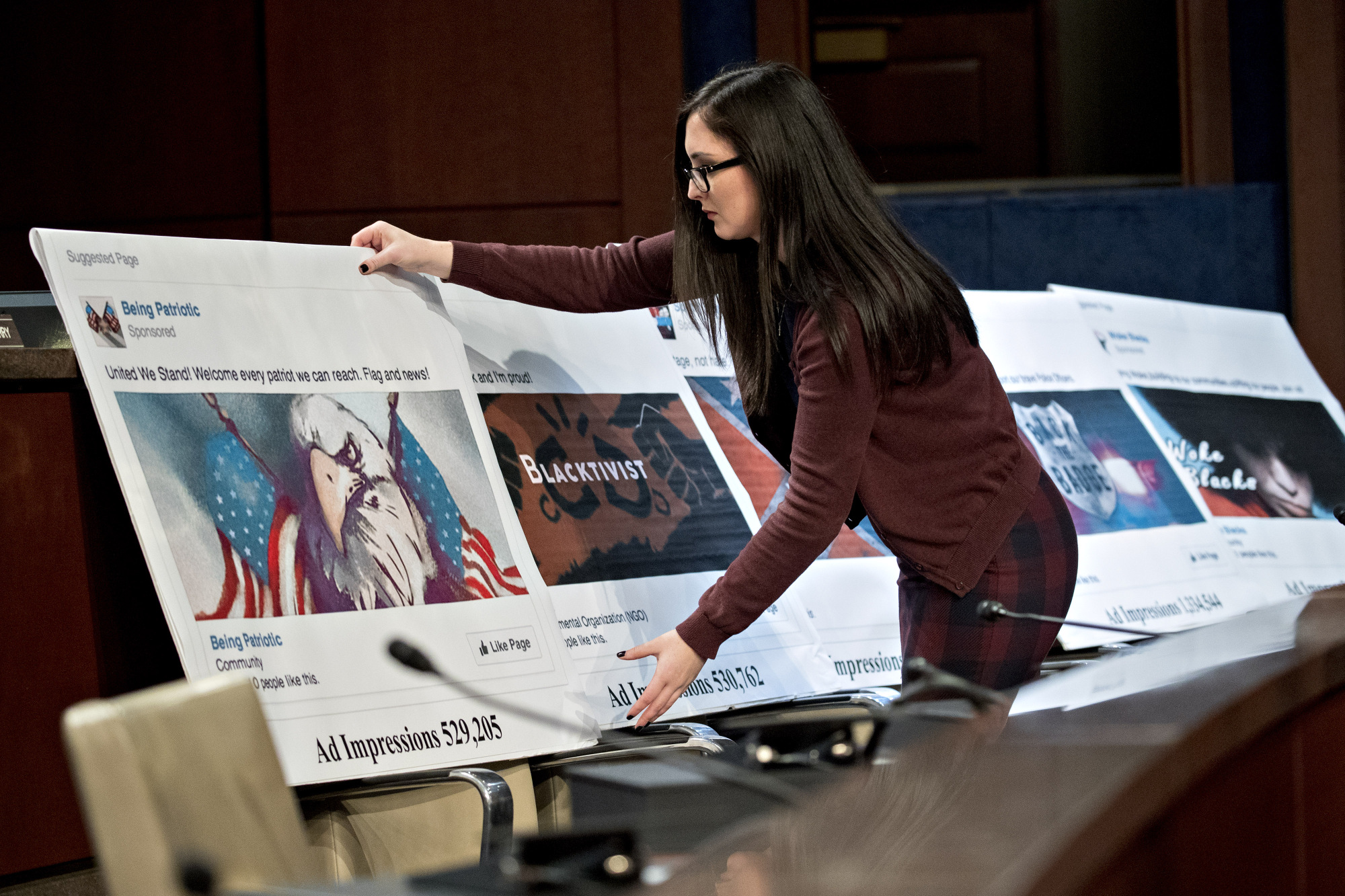
An indictment issued by Mueller said at least 13 Russians engaged in a sophisticated campaign to sway public opinion around the 2016 presidential election. They posed as U.S. citizens, using falsified paperwork and stolen bank numbers, to hide their real identities and opened PayPal Holdings Inc. accounts to buy ads on popular social media sites.
The narrative laid out by Mueller describes a more advanced Russian-backed misinformation effort than previously known. Until now, Facebook and Twitter had been criticized for missing Russian purchases of U.S. election ads through their systems. PayPal hadn’t featured publicly in the investigations until Friday.
The identity theft detailed in the indictment is tougher than the problems these companies have so far tried to solve. Facebook is boosting its security-focused workforce and adding transparency for who purchases ads. Twitter is creating a “transparency center” on political campaign ad spending, too. Alphabet Inc.’s YouTube is hiring thousands of people to vet videos. None of these steps would prevent foreign agents from using stolen identities and bank accounts to buy divisive ads and create misleading posts.
PayPal is a pioneer in online identity and fraud detection. And yet, it’s digital payments service was the funding vehicle for the Russian operatives’ deceptive campaigns -- making their transactions appear in social media companies’ systems like any other purchases in U.S. dollars.
The Russians’ approach raises the question of whether other parties have bought -- or will buy -- ads using stolen identities. It also undermines the main value of social media business models: That people are who they say they are. Facebook and Twitter sell ads through automated systems where brands can opt to reach certain audiences, and later find out how many people they reached. Friday’s indictment shows how this system can be easily gamed, and highlights the risk that even more accounts may not be fake, eroding trust in those metrics.
Source : bloomberg
Post a Comment